
Baby birth is a complex process in which many physical and emotional changes takes place between the mother and baby. The baby will get habituated to the lifestyle in the uterus. However, the baby must make adjustments to the lifestyle outside the uterus. Inside the womb, the baby body system depends on the mother, such as breathing, eating, elimination of waste, and immune protection.
After leaving the mother’s womb, the baby’s body system changes completely. Their systems have to work in a new way, which includes:
1. Lungs – Breathe the air
2. Cardiac and pulmonary system – circulation changes
3. Digestive system – Process food and excrete waste
4. Kidneys – balance fluids and chemicals in the body and excrete waste
5. Liver and immune systems – Work on their own and fight with bacteria
In some cases, babies face trouble in making the transition outside the womb. The difficulty in development is mostly due to preterm birth, a difficult birth, or congenital disabilities. Babies with these defects need a lot of special care. The babies who need special attention are sent to NICU.
What Is NICU?
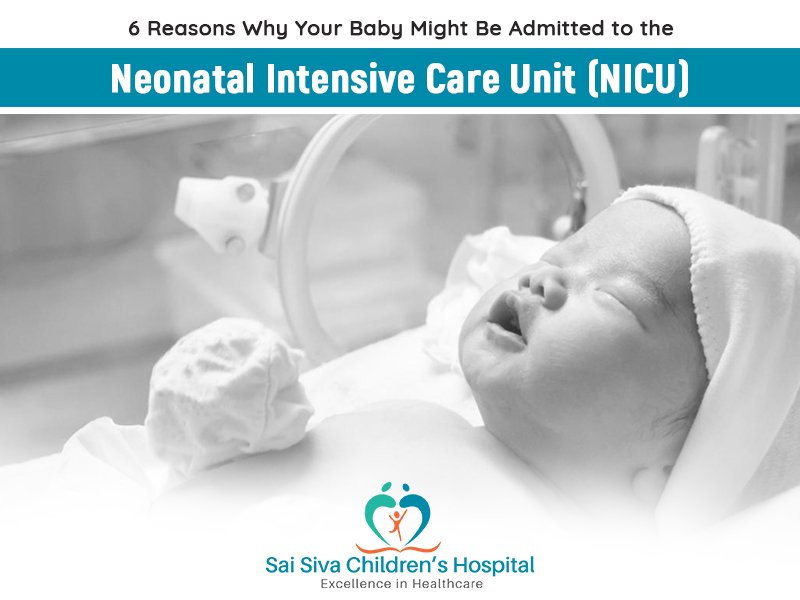
Neonatal Intensive Care Unit (NICU) is a specialised unit where premature or physically ill babies treated. The babies will be given 24*7 care from a team of experts. NICU is also known as a special care nursery, an intensive care nursery, and a newborn intensive care nursery. It can be overwhelming to see your child in such a specialised unit, but it can help cope better with the abnormalities.
NICU is a neonatal department in which you can find the highly trained paediatric specialists, neonatologists, pharmacists, supported by trained and established nursing staff. NICU is equipped with, state of the art technology such as incubators, phototherapy, feeding tubes, oxygen hood, or nasal cannula to help your baby get well. Your child will get the best neonatal care and monitoring from the neonatologists.
Which Babies Are Treated in NICU?
- Babies born early that is before 37 weeks of pregnancy
- Babies having birth weight less than 2.5 kilograms
- Babies suffering from breathing trouble, heart problems, infections, and other congenital disabilities
- Twins, triplets, and other multiples
Risk Factors Requiring Specialised Care For Babies
Some additional risk factors contributing to the specialised baby care are as follows:
Maternal Factors
The maternal factors which increase the chances of placing your baby in the NICU are:
- Mother aged less than 16 years
- Drug or alcohol use
- Diabetes
- High blood pressure
- Bleeding
- Sexually transmitted diseases
- Multiple pregnancies
- Excess/deficit of amniotic fluids
- Premature rupture of membranes
Delivery Factors
The delivery factors which increases the chances of placing your baby in the NICU are:
- Changes in the baby’s organ system
- Breech birth or other abnormal position
- Forceps or cesarean delivery
- Nuchal cord
Other Baby Factors
The baby factors which increases the chances of placing your baby in the NICU are:
- Resuscitation in the delivery room
- Congenital disabilities
- Seizures
- Low blood sugar
- Need for extra oxygen or monitoring
- Need for medication
- Need for blood transfusion
6 Top Reasons Why Your Baby Might Be Admitted to the NICU
Premature Birth: One of the most common reasons for getting a NICU admission is the premature birth that is less than 37 completed weeks. Premature babies cannot make the transition with the outside world because they are not well developed. They may face challenges such as body control, body weight, and will also likely to have some long term neurological defects.
Premature babies need a uterine environment. To create such uterine environment, they are kept under the incubator or isolette at stable body temperature in a controlled environment.
Respiratory Distress Syndrome (RDS): Respiratory Distress Syndrome (RDS) is the respiratory problems resulting from immature lungs. It is cured with the help of an oxygen mask, breathing tube, and sometimes often on a ventilator.
Sepsis or infection: It is found to be the most common reason for neonatal deaths in premature children. The infection is because the earlier the baby is born, the more likely he or she will have an infection. The antibiotics are given under the assistance of laboratory values for a predetermined period.
Hypoglycemia: Hypoglycemia or low blood sugar occur when the mother has gestational diabetes. It is not a disease; it is an indication of health problems.
Perinatal depression: Complicated or traumatic deliveries result in the decreased blood flow and oxygen supply to the baby. Lack of blood and oxygen supply leads to brain injury. Babies with perinatal depression have to be treated with a new technique, called whole-body cooling.
Maternal chorioamnionitis: The infection or inflammation of the placenta or the umbilical cord is termed as maternal chorioamnionitis. The epidemic of the mother is more likely to spread to the baby. When the mother suffers from fever, increase in heart rate, uterine tenderness then the baby born to such a mother will be sent for NICU admission.
Conclusion:
The most common question you may get is how long will my baby stay in the NICU unit. But it is challenging to say the exact period. However, boys tend to stay longer than girls in NICUs. Only the mother is allowed to go inside the NICU unit to feed the baby. However, visitors are rarely granted.
The monitoring of the baby in the neonatal care unit can be overwhelming and stressful for any parent. However, it helps the baby cope up with abnormalities and complexities involved before, after, and during the delivery. Though it is a stressful period, the benefits you are going to gain are long term and permanent.
Whatever is the condition of your baby, a pediatrician will keep you updated or informed about any progress or recovery that your child is making in NICU. An excellent neonatal intensive care unit with all necessary equipment and ancillary services can make the care of newborns is no longer a huge challenge.
For any additional information on Neonatal Intensive Care Unit (NICU), visit: https://www.saisivahospital.com/nicu/
About Sai Siva Children’s Hospital:
Sai Siva Children’s Hospital, Chanda Nagar, is a full-fledged medical facility specially designed for pediatric patients as well as young adults. The hospital was started in the year 2008, with the aim of reaching out to schools and villages to educate middle and high school students about health & hygiene. Sai Siva Children’s Hospital is one of the most sought-after children’s hospitals in Hyderabad with a team of experienced doctors and skilled staff who aim to help your child have healthy growth and development. We believe that children today are the future of our world, and must have good health to make the world a better place to live in.