
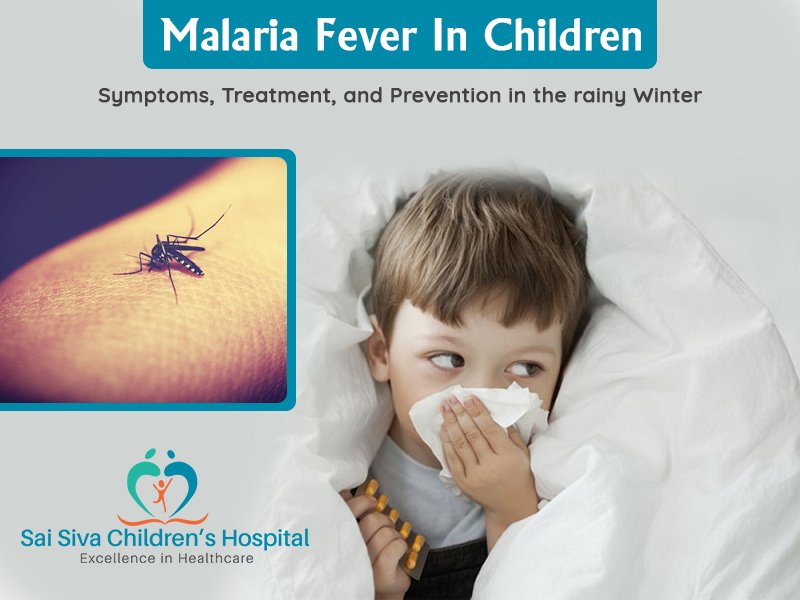
Does Rainy season increase malaria fever in children?
Yes! But How?
Malaria is a disease transmitted by mosquitoes caused by parasites. In many parts of the world, the itchy lumps caused by malaria can be deadly. However in India, they are very annoying. One mosquito bite with malaria can cause extreme illness or death. It begins with a severe cold, followed by a high fever and the last sweat period.
Symptoms of this malaria cycle can be accompanied by joint pain, headache, stomach ache, vomiting, and severe fatigue. If left untreated, they can experience severe complications and die. Death can occur due to bone marrow death, red blood cell infection, or improperly blocked red blood cell formation.
Malaria most often found happens in tropical regions where rainfall is adequate, and this temperature is suitable for mosquitoes and protozoa to grow. In India, changes in temperature can affect the rate of transmission of malaria, extend the life of mosquitoes, and increase the number of mosquitoes.
Mosquitoes during the rainy season can grow faster and have more time to spread disease. The temperature in many areas is closer to the optimal temperature for mosquito breeding. Malaria parasites mature more quickly, even in warmer temperatures. But when the temperature is too high, no species can survive.
Malaria is still a problem for children during the rainy season in India. Correct diagnosis begins with clinical suspicion. In children who are not immune, malaria usually manifests with a fever that can be accompanied by cold and headaches. More information is provided by Sai Siva Children’s Hospital in this blog, about malaria fever in Children, causes, symptoms, treatment, prevention in the rainy season.
What is Malaria?
Malaria is caused by Protozoan Plasmodium and spreads through vectors or carrier mosquitoes. Even small temperature changes can dramatically affect the life and behaviour of mosquitoes because they are cold-blooded. Also, protozoa themselves can only survive at a specific temperature.
Malaria is a life-threatening disease transmitted by the bite of infected Anopheles mosquitoes. Infected mosquitoes transmit the Plasmodium parasite. If this mosquito bites you, the parasites are released into your bloodstream.
Different Types of Malaria Parasites:
There are two types of Plasmodium parasites that affect humans in India, and considered most dangerous:
Plasmodium Falciparum: This is the most prevalent malaria parasite in India, causing the most pervasive malaria deaths. It reproduces very quickly, creating a lot of blood loss and clogging of blood vessels.
Plasmodium Vivax: This is the most prevalent malaria parasite in Asia. This type may remain dormant and then increases a few months or years after a mosquito bite infection.
Causes Of Malaria:
A microscopic parasite causes malaria. This parasite is often transmitted to humans through mosquito bites.
A Cycle of a Mosquito Transmission:
Uninfected mosquitoes: A mosquito gets infected with malaria by feeding on a person who has malaria.
Parasitic Transmission: If that mosquito bites to another person, then it can transmit the malaria parasite.
In the Liver: After the parasites enter a child’s body, they migrate to the liver, where some species of parasite can be in dormant period for up to one year.
The Parasite Enters The Bloodstream: When the parasites mature, they leave the liver and infect child’s red blood cells. This is when people usually experience symptoms of malaria.
Infect Next Person: An uninfected mosquito bite at this time in the cycle, it gets infects with the malaria parasite and can transfer it to another person and the same cycle repeats.
Other Types of Transmission:
Because the parasite that causes malaria infects red blood cells, humans can also get malaria through exposure to infected blood, including:
- From mother to unborn child
- Through blood transfusions
- By sharing needles used to inject drugs
What are the Symptoms of Malaria?
Symptoms of malaria usually occur within ten days to 4 weeks after infection. In some cases of malaria, signs may not be seen for several months. Some malaria parasites like plasmodium vivax can attack the body, but they will be in dormant period for a long time. Symptoms of malaria usually begin around 10 to 15 days after a mosquito bite.
Here are a few things to keep in mind, because the signs are very similar to the symptoms of a cold or flu. It may be difficult to tell what you are experiencing at first.
Common Symptoms of Malaria include:
- Moderate to severe chills
- High temperature
- High sweating
- Headache
- Nausea
- Vomiting
- Stomach ache
- Diarrhoea
- Anaemia
- Muscle ache
- Coma
- Bloody stools
How is Malaria Diagnosed?
A doctor can diagnose malaria. During the appointment, a doctor will review medical history, including any recent trips to the tropical climate. and then physical examination is also performed.
A doctor can find out that a patient has an enlarged spleen or liver. If children have symptoms of malaria, a doctor can ask for additional blood tests to confirm a diagnosis.
These tests will show:
- Whether you have malaria ?
- What kind of malaria you have ?
- In children if the infection is caused by a parasite that is resistant to certain types of drugs ?
- If the disease has caused anaemia ?
- Has the disease affected any vital organs ?
How To Treat Malaria?
Malaria can be life-threatening, especially if infected with the Plasmodium falciparum parasite. Treatment of the disease usually occurs in a hospital. A doctor will prescribe medication based on parasite and the child’s body.
In some cases, the prescribed drug cannot eliminate the infection due to parasitic resistance to the drug. In this case, a doctor must give medications with a combination of other medicines or completely replace the medicine to treat the condition.
Some types of malaria parasites, such as P. Vivax, have a liver-stage where the parasite can live in the body for a long time and reactivated after many years, resulting in a recurrence of infection. If you find one of these types of malaria parasites, you will receive other medications to prevent future recurrence.
Prevention of Malaria in Rainy Season
No medicine is 100% effective, and mosquitoes are almost impossible to get rid of them completely, so prevention of mosquito bites is essential. The spread of malaria during the rainy season can be prevented by:
- Get rid of stagnant water while mosquitoes breed in water.
- Use mosquito nets and mosquito repellents
- Wear fully covered clothing to avoid mosquito bites
- Children who are very vulnerable to malaria or bites should avoid outdoor activities from dusk to dawn
- Children who have symptoms of malaria should seek medical help immediately because it can be dangerous if left untreated
- Children with liver, kidney, or brain complications must be extra careful if they suffer from malaria they need to stay in the hospital until they recover.
- Children travelling to an area where malaria is prevalent should take precautionary steps, such as: Take antimalarial medicine to prevent malaria.
Conclusion:
After going through this blog, you know how malaria can be life-threatening. It is essential to visit a doctor as soon as possible if infants, children, and pregnant women are affected by it since they are at very high risk of developing severe malaria. Follow the prevention measures to avoid mosquito bites.
Beware of high fever when travelling in high-risk malaria areas. You still have to see a doctor, even if you notice symptoms weeks, months, or years after your trip.
Contact Sai Siva Children’s Hospital for more details on malaria in children.