
What is Gastritis?
Gastritis is a condition in which your stomach lining becomes inflamed or swollen. It is simply an irritation or erosion of stomach lining that occurs both in short or long duration. There has been an increase in the gastritis sufferers. This is because many people are neglecting their diet, eating anything and everything leading to gastritis.
Gastritis is two types:
- Acute gastritis: Gastritis that occurs suddenly
- Chronic gastritis: Gastritis that occur gradually and for prolonged period.
What are the causes of gastritis?
Gastritis may be caused by the following:
- Eating spicy foods
- Increased usage of nonsteroidal anti-inflammatory drugs (NSAIDs)
- Infection with bacteria (Helicobacter pylori)
- Major surgery
- Traumatic injury
- Burns
- Severe infection
- Extreme physiological stress
- Megaloblastic (pernicious) anaemia
- Autoimmune disorders
What increases my child’s risk for gastritis?
Your child is at risk of gastritis when he/she:
- Infected with bacteria, a virus, or a parasite
- Swallowed a toxic object, such as a button battery
- Suffering from trauma (child’s stomach or intestine injury)
- Using NSAIDs or steroid medicine
- Suffering from autoimmune disorders including diabetes, thyroid disease, or Crohn disease
Gastritis Symptoms:
Most people may not have any Gastritis symptoms, but others may experience some symptoms. The most common symptoms are
- Abdominal discomfort or pain under the rib cage
- Nausea
- Vomiting that may last 24 to 48 hours
- Fatigue or restlessness
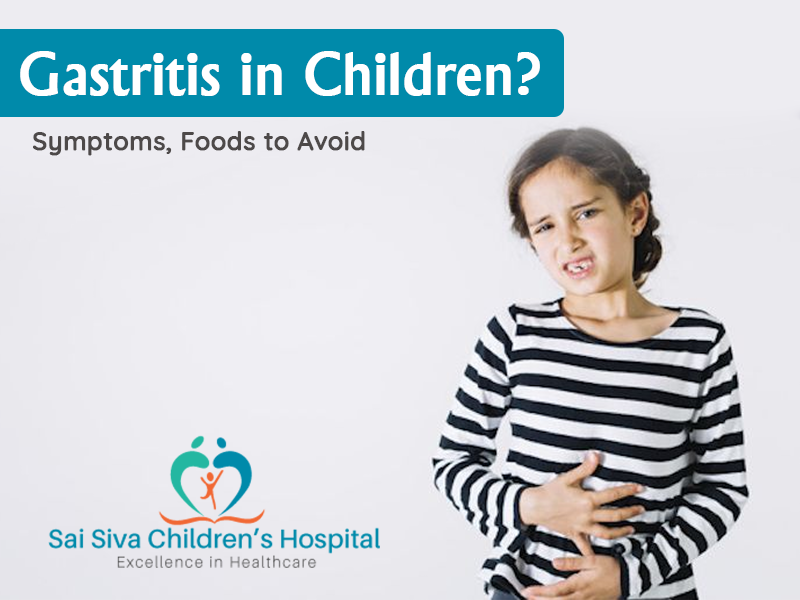
- Grimacing
- Loss of appetite
- Swollen abdomen
- Cramping
- Vomiting blood or hematemesis
- Indigestion
- Paleness
- Sweating or perspiration
- Irregular bowel movements
- Shortness of breath
- Increased heart rate
- Internal bleeding
If your child is experiencing any of the above gastritis symptoms, seek immediate medical attention from your Pediatrician who may help you along with some diagnostic options to determine your type of gastritis.
Seek immediate care, if your child
- Vomits blood.
- Has black or bloody bowel movements
- Has severe stomach or back pain
Contact your child’s healthcare provider, if your child;
- Has a fever
- Has new or worsening symptoms, even after treatment
- Have questions about your child’s health condition
- Develops chest pain or shortness of breath
Discuss with your child’s healthcare provider who can help you plan your child’s care. Know about your child’s health condition and discuss the treatment options. Don’t give any medication to your child on your own. Talk to your child’s health care provider or pharmacist before following any medical regimen. Discuss with your doctor to know which treatment option will be safe and effective for treating your child’s medical condition.
Gastritis Diet
Your diet is important for your digestive and overall health because the food you take make a difference in the health of your digestive system. Gastritis can be prevented by avoiding certain foods and beverages. You can ask about food to eat and avoid and get advice from your doctor.
Foods to avoid during gastritis:
Avoiding certain food items can help you in preventing gastritis. Because some food items can create the inflammation of the stomach lining. Avoid below-listed food items to relieve from gastritis.
- Avoid deep-fried and fatty food.
- Avoid pickles, peppers, spicy and very salty food products
- Don’t take food items made using vinegar
- Cut off Coffee and dairy products like milkshakes, sour creams, cheese and icecreams
- Stop high fat and high cholesterol foods
- Limit heavy chocolate chip cookies, biscuits, brownies and other baked food items.
- Avoid acidic foods like tomatoes and fruits
- Limit fruit juice, fatty foods and carbonated drinks
- Cut off symptomatic food
What to eat on a gastritis diet:
Here is the list of food to eat that may help you manage gastritis in your child and lessen the symptoms.
- High-fibre foods including apples, oatmeal, broccoli, carrots, and beans
- Low-fat foods like fish, chicken, and turkey breast
- Foods with low acidity
- Foods with alkali for example vegetables
- Non Carbonated drinks
- Drinks without caffeine
- Probiotics including yogurt, curd.
Conclusion :
If you think that your child is a risk of gastritis, contact your pediatrician. This is because untreated gastritis may lead to stomach ulcers, particularly among children with thinned stomach linings.
Your child’s healthcare provider determines the specific treatment for gastritis based on:
- Your child’s age, overall health and medical history
- The extent of the condition
- Other medical conditions
- The child’s tolerance for specific medicines
- Suitable procedures or therapies
- Expectations for the course of the condition
- The family’s opinion or preference
Mostly the patients are advised to avoid certain food, beverages or medications that are responsible for the development of gastritis symptoms, your Pediatrician can suggest you on what to eat and avoid.
About The Hospital:
Sai Siva Children’s Hospital, Chanda Nagar, is a full-fledged medical facility specially designed for pediatric patients as well as young adults. The hospital was started in the year 2008, with the aim of reaching out to schools and villages to educate the middle and high school students about health & hygiene. Sai Siva Children’s Hospital is one of the most sought-after children’s hospitals in Hyderabad with a team of experienced doctors and skilled staff who aim to help your child have healthy growth and development. We believe that children today are the future of our world, and must have good health to make the world a better place to live in.