
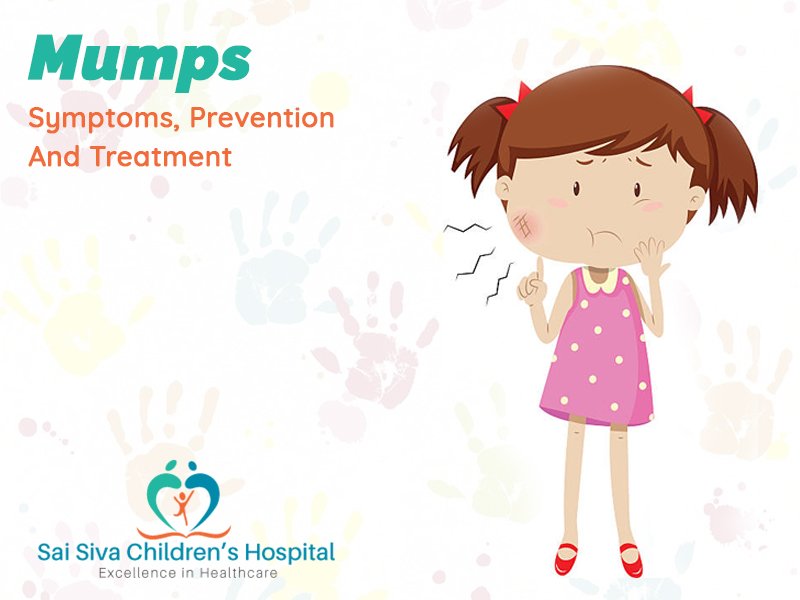
Mumps is a viral infection which causes the glands around your neck (between your ear and jaw) to swell. It spread from one person to person through coughing or sneezing, saliva, nasal secretions and close personal contact. It is a contagious viral infection that used to occur frequently in children before the introduction of the MMR vaccine. It primarily affects the parotid glands. Parotid glands are the 3 pairs of salivary glands that are located below and in front of ears, mouth and lower jaw.
What Are The Symptoms Of Mumps?
Mumps exhibits various symptoms that normally appear 2-3 weeks after the patient has been infected. The classic symptoms of mumps will develop, with the development of the infection. The main symptom of Mumps is the painful and swollen parotid glands resulting in puffy cheeks. The following are the initial stage symptoms of Mumps that you may experience
- Body aches
- Headache
- Loss of appetite and/or nausea
- General fatigue
- Fever (low-grade)
The other associated symptoms of Mumps include:
- Pain in the swollen sides of the face
- Pain when swallowing
- Trouble swallowing.
- Fever (high grade)
- A dry mouth
- Pain in joints
Adults will rarely contract Mumps. The symptoms of Mumps among the adults are generally the same, but sometimes they can slightly worse. However, individuals working in a high-risk environment, such as a hospital or school, should have regular vaccination against mumps.
How To Prevent Mumps?
Mumps is a rare disease which can be prevented. It can be prevented with the MMR (Mumps, Measles, and Rubella) vaccine. In order to avoid Mumps, first, you need to avoid the flu. The following are the good practices that can help you avoid the flu just as much as mumps:
- Wash your hands regularly with soap and water
- Use a tissue or your elbow while sneezing and coughing to avoid spreading the disease through airborne particles
- Don’t share drinks, food, and utensils which can carry the flu or mumps viruses
- Avoid going to school, college and work until 5 days after their glands start to swell
How Treat Mumps?
There is no treatment for mumps because it is a virus. It doesn’t respond to antibiotics or other medications. However, you can manage the symptoms such as relieving pain, preventing dehydration, etc to make yourself more comfortable while you’re sick. These include:
- Take rest if you have a weak or tired feeling
- Take over-the-counter pain relievers which can bring down your fever
- Applying ice packs on swollen glands to soothe
- Avoid dehydration with plenty of fluids
- Have a soft diet of soup, yogurt, and other foods that aren’t hard to chew
- Don’t have acidic foods and beverages as they can cause pain in your salivary glands
Never give aspirin. It can develop Reye’s syndrome, a dangerous disease which causes liver failure, swelling of the brain and even death. Mumps cannot be treated with Antibiotics because it is a virus. However, your doctor may prescribe fever reducers and painkillers in order to hasten the healing.
About The Hospital:
Sai Siva Children’s Hospital, Chanda Nagar, is a full-fledged medical facility specially designed for pediatric patients as well as young adults. The hospital was started in the year 2008, with the aim of reaching out to schools and villages to educate the middle and high school students about health & hygiene. Sai Siva Children’s Hospital is one of the most sought-after children’s hospitals in Hyderabad with a team of experienced doctors and skilled staff who aim to help your child have healthy growth and development. We believe that children today are the future of our world, and must have good health to make the world a better place to live in.